
An empty estate home in Toronto usually doesn't have to pay the Vacant Home Tax for a while. The City has an exemption after an owner passes away, for up to three tax years. But it only works if someone declares it by April 30 each year. If no one does, the City treats the home as vacant and sends a bill for 3% of its assessed value.
- 1 dayYour fee in writing, within one business day
- 1–2 daysReport, in business days after the home visit
- Any past dateEven years later
- P.App., CRADesignated by the Appraisal Institute of Canada
In this article
You're the executor, and the house is empty. Then you hear about Toronto's Vacant Home Tax. A 3% tax on an empty home sounds like one more worry.
Here's the surprise. For most estate homes, the tax isn't the real danger. Forgetting to file is. And the number on that tax bill has little to do with what the house is worth.
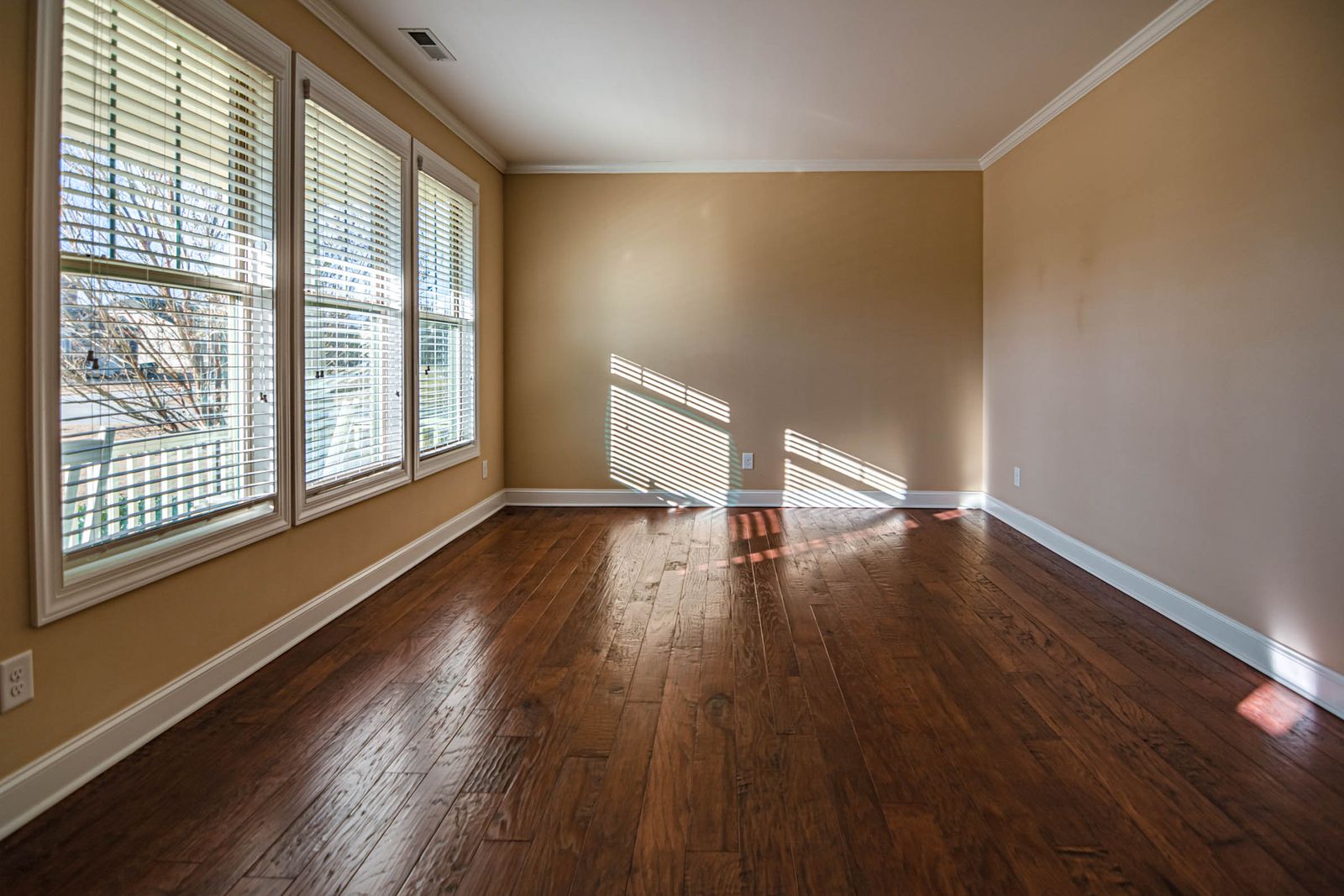
What the Vacant Home Tax is
The City of Toronto charges this tax on homes that sit empty. Every owner of a home in Toronto must tell the City each year if it was lived in or empty. This is called a declaration. An estate home is no different.
Since 2024, the rate is 3% of the home's assessed value. That's the value on the City's property tax records.
A home is vacant if no one lived in it for six months or more in the year.
For 2026, declare by April 30, 2027. With no declaration, the City assumes the home was vacant.
The exemption after an owner passes away
The City has an exemption for this exact case. An exemption means no tax is charged, but you still have to declare. It covers up to three tax years in a row: the year the owner passed away and the next two.
- Year 1The year of the passing
Declare the home as vacant and claim the exemption. Keep a copy of the official certificate of the owner's passing. The City asks for it as proof.
- Year 2Declare again
The exemption can still apply. But you must file a new declaration. Last year's doesn't carry over.
- Year 3The last exempt year
This is the last year the exemption can cover. Plan ahead: will the home be sold, rented, or lived in?
- Year 4 and laterThe tax can apply
If the home is still empty six months or more, this exemption is used up. Another one may fit, like the one for a sale or major repairs.
Who files? The City says the owner, or someone allowed to act for them, can submit it. For an estate, ask the estate lawyer who should sign. The City's page doesn't speak to estates directly, so you can also call 311.
Settling an estate?
Your fee in writing within one business day, and most reports are ready 1–2 business days after the home visit.
Request a QuoteWhat missing one declaration can cost
Example (round numbers, not a real client)
Say the owner passed away in early 2026. The house stays empty while the estate is settled. If someone declares by April 30, 2027 and claims the exemption, the tax for 2026 is $0. If no one declares, the estate gets a bill for $24,000.
You can dispute a bill, but that takes time an executor rarely has. It's far easier to declare on time. A false declaration can bring a fine of up to $10,000.
The bill is not your home's value
This is where people get confused. The "assessed value" is not today's price, and it's not the date-of-death value either.
Assessed value
MPAC, the agency that assesses all Ontario properties
For 2026, still based on January 1, 2016 values
Property tax and the Vacant Home Tax
Date-of-death value
An appraiser, after looking at the home and nearby sales
The day the owner passed away
The estate's tax forms and the owner's final tax return
Please don't copy the assessed value onto the estate's forms. Ontario asks for the value on the date of death, and you should be able to back it up. For that value, I look at the home as it was on that day. I use only sales that were known back then. Read more in what a date-of-death appraisal is.
Three ways to plan around the clock
Sell within the three years
Many estates sell well before the exemption ends. The City also has a separate exemption for the year the home is sold to a new owner. Know today's value before you list. See the executor's checklist before listing.
Repair it first
Big repairs can stop anyone from living there. The City has an exemption for major repairs, with permits and receipts. An appraisal "as is" helps the family decide if the work is worth it.
Rent it or move in
A tenant with a written lease of at least 30 days counts, if someone lives there six months or more in the year. Talk to the estate lawyer first. Renting changes the estate's taxes.
What to have ready
- The roll number from the property tax bill
- The certificate of the owner's passing
- The date the owner passed away
- The court approval as executor, if you have it
- Dates the home was empty or lived in
- Repair permits and receipts, if any
- Photos of every room, for the appraisal
How much does an estate appraisal cost?
Every home is different, so every fee is quoted for your home. A past date, like the date of death, takes more work because older sales and the home's past condition have to be pieced together. You'll get your exact fee in writing within one business day, before anything is booked. Most reports are ready 1–2 business days after the visit. Reports are done by appraisers designated by the Appraisal Institute of Canada. See what affects the fee. I value the property; your lawyer or accountant advises on tax and legal questions.
Quick answers
Does an empty estate home always pay the Vacant Home Tax?
No. The exemption after an owner passes away can cover up to three tax years. But you must declare each year by April 30 and claim it.
What if we missed the April 30 deadline?
The City assumes the home was vacant and sends a bill. You can file a Notice of Complaint by the deadline on the City's page. Call 311 soon and ask what to send.
Can an appraisal lower the Vacant Home Tax?
No. The tax uses MPAC's assessed value, not an appraisal. An appraisal gives the date-of-death value and today's value for the estate.
Does this apply outside Toronto?
This article covers the City of Toronto's tax only. Check with your own city.
Official sources
- Vacant Home Tax, City of Toronto (checked November 16, 2026)
- Property Assessment and Appeals, City of Toronto (checked November 16, 2026)
- Estate Administration Tax, Government of Ontario (checked November 2026)
What happens next
- Request a quote. Tell us the address and why you need the appraisal.
- Get your fee in writing. Within one business day. Nothing is booked until you accept it.
- Home visit and report. We book a time that works for both of us, Monday to Saturday. Most reports are ready 1–2 business days after the visit.
Was this article helpful?
This article is general information, not legal or tax advice. Best Home Value provides appraisals; please speak with the estate lawyer and accountant about your situation, and with the City of Toronto (311) about the Vacant Home Tax.